

Pelvic Floor Power: Why It Matters for Student-Athletes and Active Students
Pelvic floor health often flies under the radar for student-athletes and active students—but it’s key to staying strong, stable, and injury-free. When your pelvic floor isn’t pulling its weight, you might notice unexpected aches or a dip in performance. In this post, you’ll learn simple ways to boost pelvic floor stability and why treatments like Emsella in New Orleans can make a real difference. For more on the importance of pelvic health, check out this article.
Importance of Pelvic Floor Health

Understanding the importance of pelvic floor health is essential for any active student. It’s not just about avoiding discomfort; it’s about enhancing your overall performance.
Key Role in Athletic Performance
Your pelvic floor plays a critical part in your athletic endeavors. It’s like the unsung hero of your core, providing support and strength. When this area is functioning well, it can contribute to better balance and control. Imagine running, jumping, or lifting with a more stable base. That’s the power of a well-supported core. Many athletes find that focusing on this area helps them achieve better results in their sports.
Stability and Injury Prevention
A strong pelvic floor is like having a reliable safety net. It helps prevent injuries that can sideline you from activities. When your pelvic floor is weak, you might experience unexpected falls or strains. This part of your body acts like a cushion, absorbing impact and reducing the risk of injury. The longer you ignore this, the more you put your body at risk. Taking steps to strengthen it can make a significant difference in your athletic journey.
Recognizing Pelvic Floor Issues

Identifying issues early on can save you from long-term problems. Let’s explore how to recognize when something might be wrong.
Signs of Dysfunction in Students
You might not always notice pelvic floor issues immediately. Subtle signs include unexpected leaks, discomfort during physical activities, or even lower back pain. If you find yourself running to the restroom more often or experiencing pressure, it might be time to pay attention. Recognizing these signs early can lead to quicker solutions and a better quality of life. Remember, most people think these issues are rare, but they’re more common than you might realize.
Impact on Daily Activities
A dysfunctional pelvic floor can make daily activities challenging. Simple tasks like walking or sitting for long periods might become uncomfortable. It can interfere with your focus during classes or social events. When you’re constantly adjusting or worrying about discomfort, it takes a toll on your mental well-being. Addressing these issues not only improves your physical health but also enhances your academic and social life.
Strengthening the Pelvic Floor

Strengthening your pelvic floor doesn’t have to be complicated. Here are some straightforward ways to start improving.
Simple Training Tips for Students
You don’t need a gym membership to start strengthening your pelvic floor. Here are a few tips you can incorporate into your routine:
-
Kegel Exercises: Practice these discreet exercises to build strength. Aim for three sets of ten, twice a day.
-
Pilates and Yoga: These activities are great for overall core strength, including your pelvic floor. Find a class or follow online tutorials.
-
Stay Active: Simple activities like walking or light jogging can also engage your pelvic muscles.
By integrating these practices, you’re not only enhancing your athletic performance but also supporting your long-term health.
Emsella Therapy Benefits and Booking
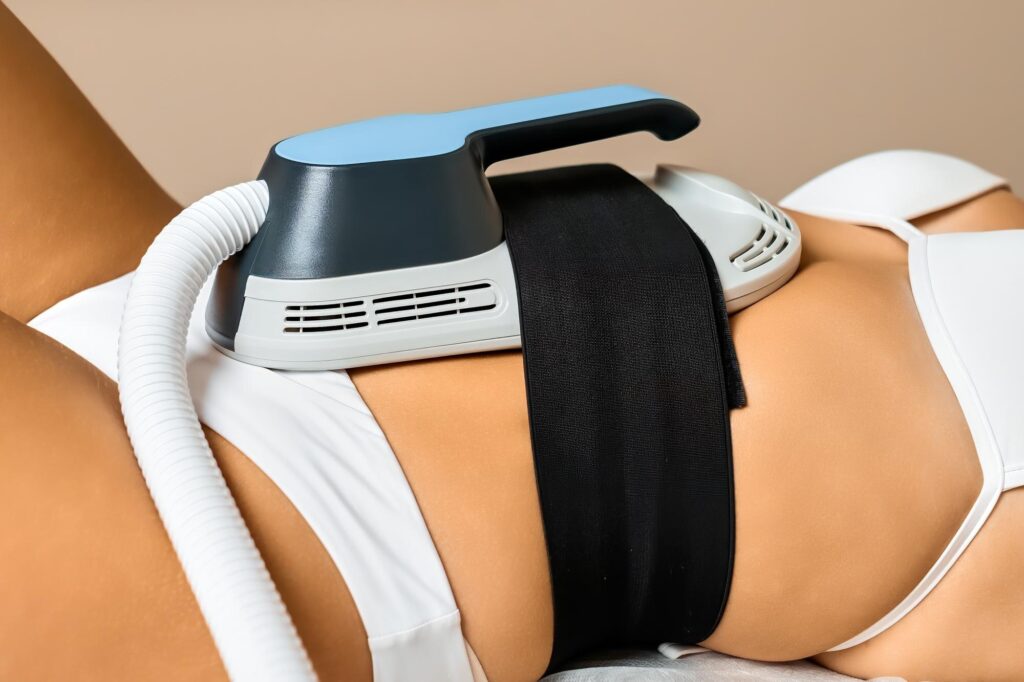
For those looking for additional support, Emsella therapy offers a unique solution. This non-invasive treatment strengthens your pelvic floor with ease. It’s like doing thousands of Kegels in one session. Students in New Orleans have access to this innovative therapy through the Student Wellness Club. Booking an appointment can give you the edge you need in your performance.
🌟
By prioritizing your pelvic floor health, you’re investing in your future well-being. Whether it’s through simple exercises or advanced therapy, taking action today can lead to a more vibrant, active life.